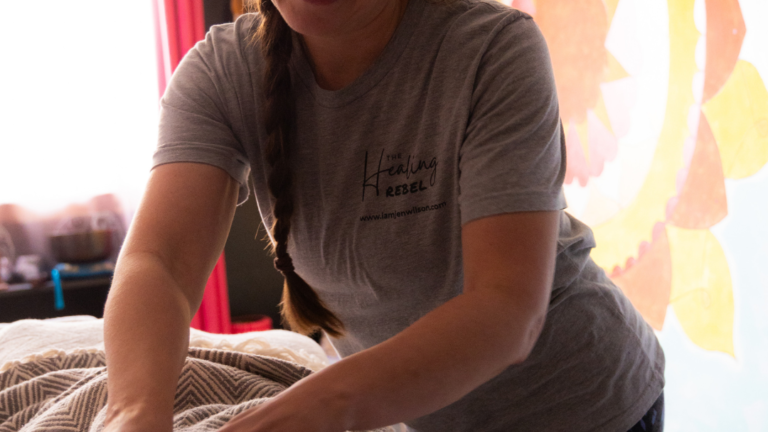
Pre and Post Operation Manual Lymphatic Drainage in Glasgow
Pre and post-operative manual lymphatic drainage (PPO MLD) is a gentle, rhythmic massage that supports your lymphatic system before and after surgery, helping your body manage swelling, fluid build-up and the general upheaval of recovery. I have been offering and teaching lymphatic drainage as self care since 2020, so it made sense to expand my training and offer pre & post op MLD to women at my private home studio in Springburn, North Glasgow, using Vodder or Godoy & Godoy techniques, with every treatment planned around your surgeon’s guidance.
At a glance
Who it’s for: women preparing for, or recovering from, planned surgery
Where: The Healing Rebel private studio, Springburn, North Glasgow (no mobile or clinic sessions)
Method: Vodder or Godoy & Godoy manual lymphatic drainage, chosen for you on the day
Session length: 75 minutes or 2 hours Post-op start: usually from around day 3 after surgery, and only with written guidance from your surgeon
Recommended course: 6 to 10 sessions over up to 12 weeks, ideally with 1 to 2 before surgery Packages: 6 sessions £500, 10 sessions £800
Please make sure you have read all the safety information below, before making a booking. If you are unsure or have any questions, please email me jen@iamjenwilson.com
BOOK NOW
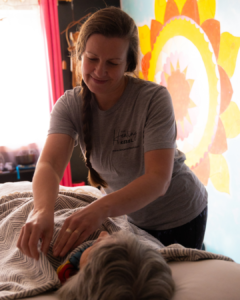
You’ve organised everything. Now let someone look after you.
You’ve booked the surgery, arranged the time off, sorted who’s feeding the cat and probably written a list for whoever is running the house while you’re laid up (I’ve had clients answering work emails on the drive home from hospital, which I don’t recommend).
Recovery asks you to slow down and let your body do its work, with some support. That’s the fastest way to heal and to heal well.
That’s what PPO MLD is, a calm, gentle, practical care that fits around your surgeon’s plan and gives your body a helping hand while it heals.
What is pre and post-op lymphatic drainage?
Your lymphatic system is your body’s drainage and clean-up network. It moves excess fluid out of your tissues, carries waste away and plays a big part in your immune response.
Surgery disrupts it. Tiny lymph vessels are cut or bruised during any operation, so fluid collects in the tissues around the surgical area. That shows up as swelling, puffiness, tightness, bruising and sometimes hard, lumpy areas (called fibrosis), which are especially common after liposuction.
Manual lymphatic drainage uses very light, slow, rhythmic movements that follow the pathways of your lymph vessels, encouraging that fluid towards lymph nodes that are working well. The pressure is light on purpose. Lymph vessels sit just under the skin, and healing tissue needs gentleness, so there is no deep pressure, no pummelling and no working through pain here.
After some operations, like a tummy tuck, the usual drainage routes are temporarily interrupted. In those cases I direct fluid along different pathways (towards the armpits, for example), which is one of the reasons post-surgical MLD needs specific training.
Which technique will I get?
Pre and post-op work uses different techniques from my standard MLD sessions. On the day, I choose the approach that suits your body, your surgery and where you are in your recovery.
The Vodder method. The original manual lymphatic drainage, developed by Emil and Estrid Vodder in the 1930s and one of the most widely researched approaches. Soft, circular, pumping movements that encourage lymph to flow.
The Godoy & Godoy method. Developed in Brazil in the 1990s, it focuses on the areas most prone to fluid build-up, like the abdomen, legs and arms, with special attention to the neck and groin, where major lymph nodes sit. Extended, gentle work at the neck is a key part of the method and has been studied for its effect on swelling.
Oils, vibration and cupping. Some sessions also include oils, gentle vibration or cupping, depending on how you are healing. Firmer work and cupping are kept for later in recovery, once your surgeon is happy and your tissues are ready. Oil goes on intact skin only, never over incisions or healing wounds. Please list any known allergies on your pre-massage form.
Whichever technique I use, every session starts by opening the main lymphatic areas first, so the fluid has somewhere to go, before I work towards the surgical area. I also teach you some techniques to do on your own between treatments.
Why have treatment before surgery?
Ideally, you’ll have at least 2 sessions before your operation. This gives you:
- A chance to get to know the treatment, the studio and me while you’re still feeling well and mobile
- Time to learn your at-home self-care routine before you’re sore and tired
- Some calm and nervous system support ahead of a big day (most people find MLD deeply relaxing)
- A baseline, so I know how your body feels and moves before surgery
- Your post-op sessions booked in advance, so they’re ready when you need them
Booking your course before surgery is the easiest way to make sure your post-op appointments line up with your recovery.
When can post-op lymphatic drainage start?
Post-op treatment can usually start from around 3 days after surgery. The right time depends on the operation you’ve had, how you’re healing and, most importantly, what your surgeon advises.
I need written guidance from your surgeon before your first post-op session. An email or letter confirming you’re clear for manual lymphatic drainage is fine. Please bring it with you or email it to jen@iamjenwilson.com before your appointment.
Drains, dressings, stitches and fresh incisions are worked around carefully. Your surgeon’s instructions always come first.
What recovery usually looks like
Everyone heals differently, so treat this as a rough guide. Your surgeon’s advice always comes first.
- Days 1 to 3: rest and follow your surgeon’s aftercare. Swelling and bruising are expected. Most surgeons ask you to wait at least 48 to 72 hours, and some prefer you to wait until your first post-op check.
- Around days 3 to 10: with your surgeon’s go-ahead, very light, gentle sessions to help with early swelling and discomfort. After a tummy tuck this is often from around day 5, once incisions have started to heal and ther is no sign of infection.
- Weeks 1 to 3: sessions become more regular, often once or twice a week, depending on how you’re healing.
- Weeks 3 to 8: as your tissues heal, pressure can gradually increase, with more focus on contouring and softening any hard areas (fibrosis). This is where vibration or cupping may come in.
- After 8 weeks: sessions spaced out as needed, moving towards monthly maintenance.
Any increase in pain, discomfort or swelling after a session, we pause and you let your surgeon know. We never push through.
Which surgeries can PPO MLD support?
With your surgeon’s agreement, pre and post-op MLD can support recovery from procedures including:
- Liposuction and lipoedema surgery
- Abdominoplasty (tummy tuck)
- Breast augmentation, reduction or uplift
- Arm and thigh lifts
- Mastectomy and breast reconstruction (medical clearance required)
- Hysterectomy and other gynaecological surgery
- Other planned surgery where your surgeon recommends lymphatic support
Every operation is different, and your surgeon knows your case best. Not sure whether this fits? Email me jen@iamjenwilson.com before booking and we’ll arrange a call to talk it through.
Why a course of treatments?
This treatment is designed to support your body through healing from surgery, so it works best as a course.
Your lymphatic system responds to consistency. One session can leave you feeling lighter, calmer and more clear-headed. Regular sessions build a cumulative effect, giving your body the repeated support it needs while swelling settles and tissues heal. Your daily self-care practice between sessions (I’ll show you how) adds to that.
A course of 6 to 10 treatments is commonly recommended after surgery, though your surgeon may advise something specific to your procedure. Packages are taken within around 12 weeks, with your sessions planned around your surgery date. In the first few weeks after surgery, sessions can be twice a week (Tuesday or Wednesday, plus Saturday), then weekly or fortnightly as you heal.
After your course, a monthly maintenance session is usually enough to keep things moving. Your health adventure continues throughout your life, not just once your scars heal.
What to expect at your session
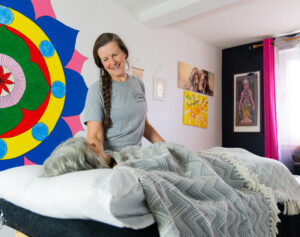
Sessions are slow, quiet and deeply relaxing. Most people find MLD calming for the nervous system as well as the body, which makes it a natural fit alongside the other work I do here at The Healing Rebel.
Here’s what happens in each session:
- A consultation about your surgery, how you’re feeling and anything your surgeon has asked for, and how your scars are healing.
- Comfortable positioning. Post-op treatment is all done lying on your back, and I’ll set you up with pillows and support so nothing pulls on healing areas.
- Gentle treatment starting at the neck and main lymph areas, then working towards the surgical site.
- Time to come round and get ready at the end, with water and no rushing.
Afterwards, you might feel tired, need the loo more often or feel very relaxed. All normal. Drink plenty of water and rest if you can.
What to bring
- Written guidance from your surgeon (for post-op sessions).
- Your compression garment, if you’ve been given one – often the garment is to be worn 23 hours a day, so you only take it off for the treatment.
- Loose, comfortable clothing that’s easy to get on and off
- Details of your surgery: what was done and the date
- Someone to drive you, in the early days, if you haven’t been cleared to drive
You are part of this
One of the things that makes a course of MLD effective is what happens between sessions. I’ll share a self-treatment video with you so you can support your lymphatic system at home.
It’s simple. Gentle techniques that take a few minutes, and you can do them in the shower. Your body does a lot of its best work when you’re out of the treatment room.
We will also discuss other lifestyle advice to help you get the most out of your recovery – hydration, nutrition, rest, stress management, sleep, removing toxic substances (and habits), connection and touch are all essential for overall good health.
Other reasons people come for MLD
Alongside surgery, manual lymphatic drainage can support people living with lipoedema, lymphoedema, fibromyalgia, ME/CFS, fatigue, stress, bloating, water retention and perimenopause symptoms, among others. You’ll find more on my main [Manual Lymphatic Drainage page].
PPO MLD Session prices
All sessions take place at my private home studio in Springburn, North Glasgow.
75-minute session: £89 Consultation and treatment.
2-hour session: £160 Extended treatment time. Ideal for more complex or whole-body presentations, or where more than one area has been operated on.
6 x 75-minute package: £500 (saving £34)
10 x 75-minute package: £800 (saving £90)
Packages are taken ideally within 12 weeks: twice a week in the first few weeks after surgery (I see clients Tuesday, Wednesday, or Saturdays), then weekly or fortnightly. Ideally at least 2 sessions before surgery, with post-op sessions starting once your surgeon has given written guidance (usually from around day 3).
To book a package, email jen@iamjenwilson.com with your surgery date and procedure, and I’ll plan your sessions with you.
Please make sure you have read all the safety information below, before making a booking.
BOOK NOW
Before you book: safety information
Manual lymphatic drainage is a powerful treatment and it is not suitable for everyone. Please read this section carefully. Everything here is covered on your pre-massage form, but I’d rather you flag any concerns before you arrive.
Cannot receive treatment
MLD is not suitable when you have any of the following:
- Acute infection, bacterial, fungal or viral (including colds, flu and cellulitis), as treatment could help it spread
- A course of antibiotics. Please finish the full course first, including antibiotics given after surgery
- High fever
- Acute DVT, any other blood clot, or phlebitis
- Renal failure or serious kidney disease
- Cardiac oedema, congestive heart failure or decompensated cardiac insufficiency
- Uncontrolled high blood pressure
- Current chemotherapy or radiotherapy
- An autoimmune flare
- Uncontrolled oedema where the underlying cause is not yet being treated
- Open wounds, skin infections or flare-ups of eczema, psoriasis or dermatitis in the treatment area (that area is left until healed)
- Fresh injuries such as sprains, strains or fractures (that area is left until healed)
Medical clearance required
Written clearance from your doctor, consultant, surgeon or oncologist is needed before treatment for:
- All post-operative sessions
- Malignant cancer, including surgery for cancer and cancer in remission
- Recently finished chemotherapy or radiotherapy (we wait a few weeks after treatment ends, with your oncologist’s approval)
- A recent heart attack or stroke
- An organ transplant or other major surgery
- Clients over 60 (to rule out arteriosclerosis or stroke risk)
- An unresolved seroma (a pocket of fluid at the surgical site)
- Surgical drains still in place
Treatment will be adapted
Treatment is still possible but will be modified for:
- Fresh incisions, stitches and dressings (worked around, never over)
- New medication (let me know, as we may need to check with your GP first)
- Overactive thyroid
- Cardiac arrhythmia
- Highly sensitive areas of the body
- Pregnancy (positioning is adapted)
- Menstruation
- Epilepsy
- Severe asthma or breathing conditions (tell me your known triggers)
- Diabetes (bring your medication, testing kit and a sugary snack, and let me know about any areas of reduced sensation)
- Blocked intestines
- Intestinal diverticulitis
- Abdominal aortic aneurysm
- Inflammatory bowel disease
- Pronounced adhesions from surgery
- Post-radiation abdominal changes
- Radiation cystitis or radiation colitis
- Pelvic DVT
Contact your surgeon or GP straight away, and cancel your session, when you notice:
- Signs of wound infection: increasing redness, heat, swelling, pain, discharge or a bad smell from the wound
- A temperature or feeling hot and shivery
- Pain, swelling, warmth or redness in one leg, especially the calf (possible DVT)
Sudden breathlessness, chest pain or coughing up blood needs emergency help. Call 999.
Frequently asked questions
How soon after surgery can I have lymphatic drainage? Usually from around 3 days after surgery, though it depends on your procedure and how you’re healing. I need written guidance from your surgeon before your first post-op session. Some surgeons prefer you to wait longer, and their advice always comes first.
Do I need permission from my surgeon? Yes. Written guidance from your surgeon is needed for every post-op course. An email or letter is fine. Most surgeons are very happy to give it, and many actively recommend lymphatic drainage as part of recovery.
How many sessions will I need? A course of 6 to 10 is commonly recommended, ideally with 1 to 2 before surgery. Your surgeon may suggest a number based on your procedure. We’ll plan it together around your surgery date.
Why have MLD before surgery? It helps you get familiar with the treatment while you feel well, gives you time to learn your self-care routine, offers nervous system support ahead of a big day and gets your post-op sessions booked in. It’s a much gentler start to the whole process.
Does post-op lymphatic drainage hurt? The pressure is very light. Some areas may feel tender, especially in the early days, and I’ll adjust to whatever is comfortable for you. Most people find it deeply relaxing and some drift off.
Should I wear my compression garment to the session? Yes, wear it or bring it with you. Follow your surgeon’s instructions on how long to keep wearing it. The compression garment is a vital part of your healing and supports the work we do in the MLD treatment.
Can you treat me while I still have drains in? Only with your surgeon’s agreement. Many people wait until drains are removed. When treatment does go ahead, I work carefully around them.
I’m on antibiotics after surgery. Can I still have treatment? Please finish your full course first, including antibiotics given routinely after surgery. Lymphatic drainage moves fluid through your system, which could stop the medication staying where it needs to be. Once you’ve finished, we can get started with your surgeon’s go-ahead. Let me know when you book and we’ll plan your dates around it.
Which lymphatic drainage technique do you use? Pre and post-op sessions use either the Vodder method or the Godoy & Godoy method, chosen on the day for your body, your surgery and your stage of recovery. Some sessions may also include oils, gentle vibration or cupping.
Will I lie on my back? Yes. All post-op treatment is done lying on your back, well supported with pillows so nothing pulls on your healing areas.
Do you use cupping after surgery? Sometimes, later in recovery. Cupping and firmer work are only used once your surgeon is happy, your tissues have healed well and it feels comfortable for you, usually several weeks after surgery. Early sessions are always very light. I use a gliding cupping method as opposed to the static cupping that leaves the big red bruised circles.
Is this the same as Brazilian lymphatic drainage? No. There are several Brazilian approaches. Some are faster and firmer, with a sculpting focus. The techniques I use start very gentle and slow, which suits healing tissue and the nervous system, with pressure built up gradually as you heal.
Do you offer mobile or hospital visits? No. All treatments take place at my private home studio in Springburn, North Glasgow.
Do you treat men? I work with women only.
Where are you based? Springburn, North Glasgow. Clients come from across Glasgow and the surrounding areas, including Bishopbriggs, Stepps, Kirkintilloch, city centre Paisley, Dumbarton, Alexandria, Stirling, Edinburgh. I have also had a client come up from Carlisle for a treatment.
Book your sessions
To book, or to ask any questions before committing, email me directly. I’m always happy to have a chat about whether this treatment is right for you and your surgery.
BOOK NOW
All treatments take place at The Healing Rebel private studio, Springburn, North Glasgow. No mobile services available.
The Healing Rebel | Springburn, North Glasgow | Holistic therapies since 2009 | 15-plus years in practice
Pre and post-operative manual lymphatic drainage is a complementary therapy and is not a substitute for medical care. Please follow your surgeon’s aftercare advice and continue to work with your surgical team, GP or other health provider throughout your recovery.